10 Places Tourists Visit Despite Serious Risks
Why Risky Destinations Continue to Draw Curious Travelers
Travel has a way of awakening curiosity, pushing people to explore places far beyond their comfort zones. From breathtaking natural wonders to mysterious historical sites, many destinations captivate travelers even when danger is part of the experience. Earth’s most dramatic locations often come with unstable terrain, extreme climates, or environmental hazards that make them risky yet irresistible. While adventure seekers continue to flock to these spots, it’s important to recognize why these places are considered dangerous and what makes them so compelling. In this article, we explore ten places tourists visit despite serious risks, highlighting the dangers involved and the reasons they continue to attract visitors from around the world.
1. Mount Everest, Nepal
Mount Everest stands as the tallest mountain on Earth and a symbol of human endurance. However, climbing it involves extreme cold, thin air, avalanches, and unpredictable weather. Altitude sickness alone has claimed many lives, yet thousands attempt the climb every year. The challenge and prestige of reaching the summit outweigh the risks for many adventurers.
2. Death Valley, USA
Death Valley is one of the hottest places on the planet, with temperatures frequently exceeding 50°C (122°F). Dehydration, heatstroke, and vehicle breakdowns are constant threats. Despite this, visitors arrive to witness vast salt flats, colorful rock formations, and otherworldly desert landscapes.
3. Chernobyl Exclusion Zone, Ukraine
The site of the 1986 nuclear disaster remains contaminated with radiation. While guided tours are permitted, exposure risks still exist. Tourists are drawn by abandoned cities, eerie structures, and the chance to witness a place frozen in time.
4. Danakil Depression, Ethiopia
Known as one of the hottest and most hostile environments on Earth, the Danakil Depression features active volcanoes, toxic gases, and acidic pools. Its vibrant mineral formations and alien-like scenery attract photographers and thrill-seekers from across the globe.
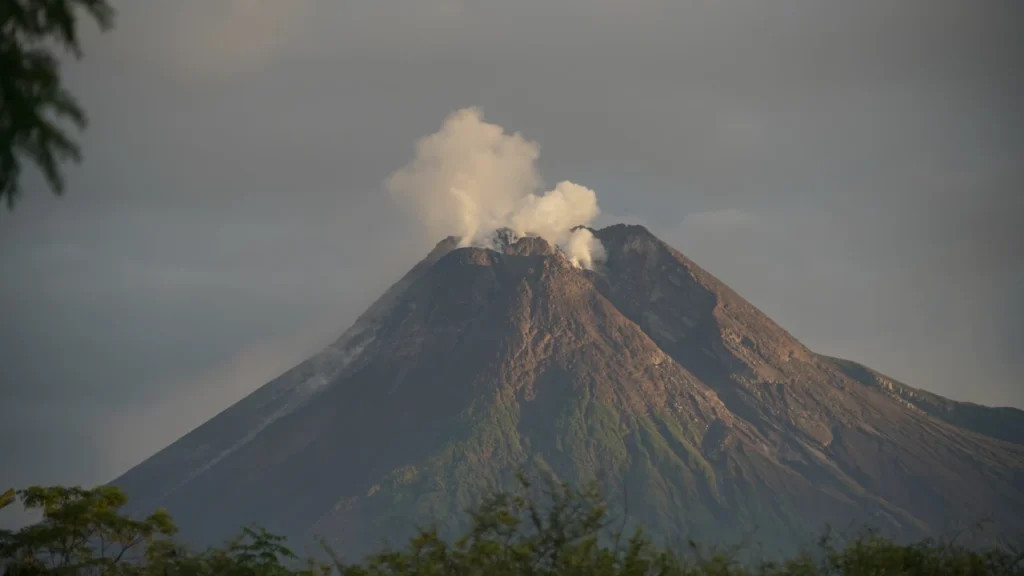
5. Mount Sinabung, Indonesia
This active volcano has erupted multiple times in recent years, forcing evacuations and causing casualties. Even so, tourists visit to observe lava flows, ash clouds, and volcanic landscapes that demonstrate the raw power of nature.
6. The Amazon Rainforest, South America
The Amazon is home to dense jungles, dangerous wildlife, and remote regions with limited medical access. Risks include tropical diseases, poisonous animals, and unpredictable terrain. Yet its unmatched biodiversity and cultural richness make it a bucket-list destination.
7. North Sentinel Island, India
Inhabited by an isolated tribe that rejects outside contact, North Sentinel Island is extremely dangerous for visitors. Approaching the island is illegal and potentially fatal. Curiosity about untouched civilizations continues to fuel fascination with this forbidden place.
8. Valley of Death (Kamchatka), Russia
This remote valley contains high concentrations of toxic volcanic gases that have killed animals and endangered humans. Despite the danger, adventurous travelers are drawn to its rugged beauty and geothermal features.
9. Oymyakon, Russia
Often called the coldest permanently inhabited place on Earth, Oymyakon experiences winter temperatures below -50°C (-58°F). Frostbite, hypothermia, and mechanical failures are constant threats. Visitors go to experience extreme cold and witness how locals survive in such conditions.
10. Snake Island (Ilha da Queimada Grande), Brazil
This island is home to thousands of highly venomous snakes, including the golden lancehead viper. Access is restricted, but scientists and a few daring explorers seek permission to visit due to its unique ecosystem and rare species.
Why People Still Visit Dangerous Places
Many travelers are motivated by curiosity, personal challenge, and the desire for extraordinary experiences. Social media, documentaries, and adventure culture also play a role in fueling interest. For some, the risks themselves are part of the appeal, adding a sense of achievement and excitement.
Safety Tips for High-Risk Destinations
- Research conditions and regulations before traveling
- Travel with experienced guides
- Carry proper safety gear and supplies
- Monitor weather and local advisories
- Respect laws and restricted zones
Moving Forward
Dangerous destinations continue to attract tourists because they offer something rare: a glimpse into Earth’s most extreme and awe-inspiring environments. While these places can deliver unforgettable memories, caution and preparation are essential. Exploring responsibly allows travelers to witness remarkable locations while reducing potential harm to themselves and the environment.
March 16, 2026
admin






Leave a Reply