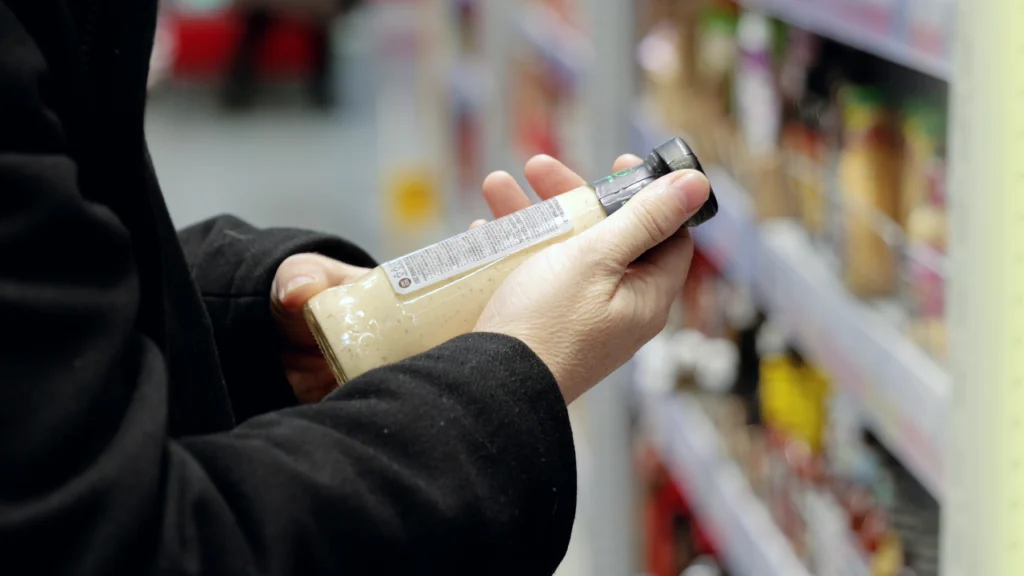
Food packaging often highlights flavor, convenience, and shelf life, yet the ingredient list quietly reveals what actually goes into each bite. Many shoppers glance at calories or expiry dates but overlook additives and chemical names that can affect everyday eating habits. Reading labels is not just for people with allergies; it helps anyone who wants clearer awareness of what enters their diet. Certain ingredients appear frequently in packaged foods, drinks, and snacks, and spotting them early can help you make more informed choices at the store. This article focuses on key ingredients worth noticing so that your grocery decisions stay intentional and informed.
High-fructose corn syrup is a sweetener found in sodas, sauces, baked goods, and cereals. It is inexpensive for manufacturers and adds strong sweetness without much flavor complexity. Regular intake from multiple sources can lead to high sugar consumption across the day.
Why check it:
Scan ingredient lists on beverages, condiments, and processed snacks. If it appears near the top, the product likely contains a high sugar level.
Artificial trans fats are created when liquid oils undergo hydrogenation to improve texture and shelf life. Even though many regions have restricted them, some packaged foods still contain small amounts.
Why check it:
Look at bakery items, frozen foods, and snack packs. If the ingredient list includes partially hydrogenated oils, consider an alternative.
MSG is used to boost savory flavor in instant noodles, soups, chips, and frozen meals. It enhances taste intensity and can appear under various names.
Why check it:
Reading labels carefully helps identify when flavor enhancers dominate a product’s composition.
Bright shades in candies, drinks, and desserts often come from synthetic dyes. These colorings improve visual appeal but add no nutritional value.
Why check it:
Choosing items with simpler ingredient lists reduces exposure to synthetic color additives.
These preservatives are used in processed meats such as sausages, bacon, and deli slices. They maintain color and extend shelf life.
Why check it:
If these appear near the top of the ingredient list, the product relies heavily on chemical preservation.
Sugar substitutes like aspartame, sucralose, saccharin, and acesulfame potassium appear in diet drinks, sugar-free desserts, and low-calorie snacks.
Why check it:
Check labels even on products marketed as healthy or low-calorie, as sweeteners can appear in unexpected places.
Carrageenan is a thickening agent extracted from seaweed and used in dairy alternatives, ice cream, and processed meats. It improves texture and consistency.
Why check it:
If you prefer fewer additives, scan for carrageenan in plant-based beverages and frozen desserts.
Butylated hydroxyanisole (BHA) and butylated hydroxytoluene (BHT) are preservatives that prevent oils from going rancid.
Why check it:
These additives appear mainly in processed snacks and shelf-stable foods.
Sodium benzoate acts as a preservative in acidic foods and beverages. It prevents spoilage and maintains product stability.
Why check it:
Frequent consumption from multiple products can increase total intake of preservatives.
Sugar does not always appear simply as “sugar.” Manufacturers use many alternative names.
Why check it:
If several sugar forms appear in the ingredient list, the total sugar content may be higher than expected.
Reading food labels takes only a few seconds but can change how you approach packaged foods. Spotting certain ingredients early helps you stay aware of what you bring into your kitchen. Over time, label reading becomes routine and supports more mindful grocery choices. By paying attention to sweeteners, preservatives, colorings, and flavor enhancers, you gain clearer insight into what you consume daily. Keeping an eye on these ingredients allows you to navigate supermarket aisles with confidence and awareness.
February 9, 2026
admin







Leave a Reply