Why New Machines Sometimes Develop Issues Faster Than Old Ones
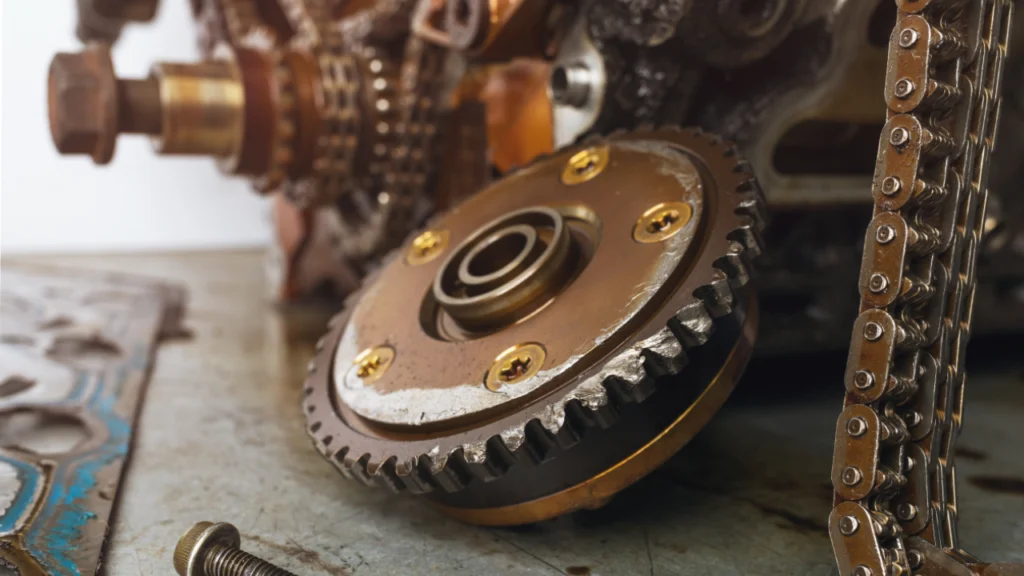
The Hidden Reasons Behind Early Failures in Modern Machinery
In factories, workshops, offices, and even homes, a curious pattern often appears: newly purchased machines can show problems sooner than equipment that has been running for decades. This situation feels counterintuitive, since newer models usually arrive with advanced features, modern materials, and updated engineering methods. Yet many owners notice unexpected downtime shortly after installation. This topic matters to manufacturers, operators, and buyers who want to know what really affects durability and reliability. By looking at how modern machines are built, tested, and used, it becomes clearer why age alone does not determine performance. The contrast between old and new equipment reveals deeper changes in production methods, technology, and usage expectations that shape how machines behave over time.
Increased Complexity in Modern Design
New machines often combine mechanical parts with electronics, sensors, and software. Each added layer introduces more points where faults can appear. Older machines usually relied on straightforward mechanical systems that were easier to monitor and repair. When a modern unit has hundreds of interconnected components, a minor fault in one area can disrupt the entire system.
Faster Production Cycles
Manufacturing timelines today move much faster than in the past. Older machines were often built over longer periods with extended testing phases. Modern production frequently emphasizes speed to meet market demand. Shorter testing windows can allow small flaws to pass unnoticed until the machine is already in daily use.
Software Dependency and Updates
Many new machines rely on firmware or control software. Early versions of software can contain bugs that only surface under real operating conditions. Updates may fix these issues, but until they are installed, the machine may behave unpredictably. Older equipment, lacking such digital layers, avoided this category of problems altogether.
Supply Chain Variability
Global supply chains mean that parts often come from many different vendors. Variations in materials or manufacturing standards can affect consistency. Older machines were more likely to use locally sourced or uniform components, which reduced unexpected interactions between parts.
Usage Patterns Have Changed
Modern machines are frequently pushed harder. Continuous operation, higher speeds, and heavier workloads are now common. Older equipment often ran at slower rates and with more downtime, which reduced stress on components. When new machines are used at maximum capacity from day one, weaknesses can appear sooner.
Early-Life Failure Curve
Engineers often describe a “bathtub curve” of failure rates. New machines may show a spike in issues early in their lifespan due to manufacturing defects or installation errors. Once these are resolved, performance often stabilizes. Older machines that are still running have already passed this early failure stage.
Why Modern Reliability Differs From the Past
The idea that older machines outlast newer ones is not just nostalgia; it reflects real changes in technology, production speed, and operating demands. New equipment brings efficiency and capability, but also added complexity and new risk factors. Recognizing these realities helps owners plan maintenance, training, and expectations more realistically. With careful setup, monitoring, and updates, modern machines can still deliver strong performance over time—even if their early days seem more troublesome than those of their older counterparts.
March 16, 2026
admin






Leave a Reply